
November 12, 2025
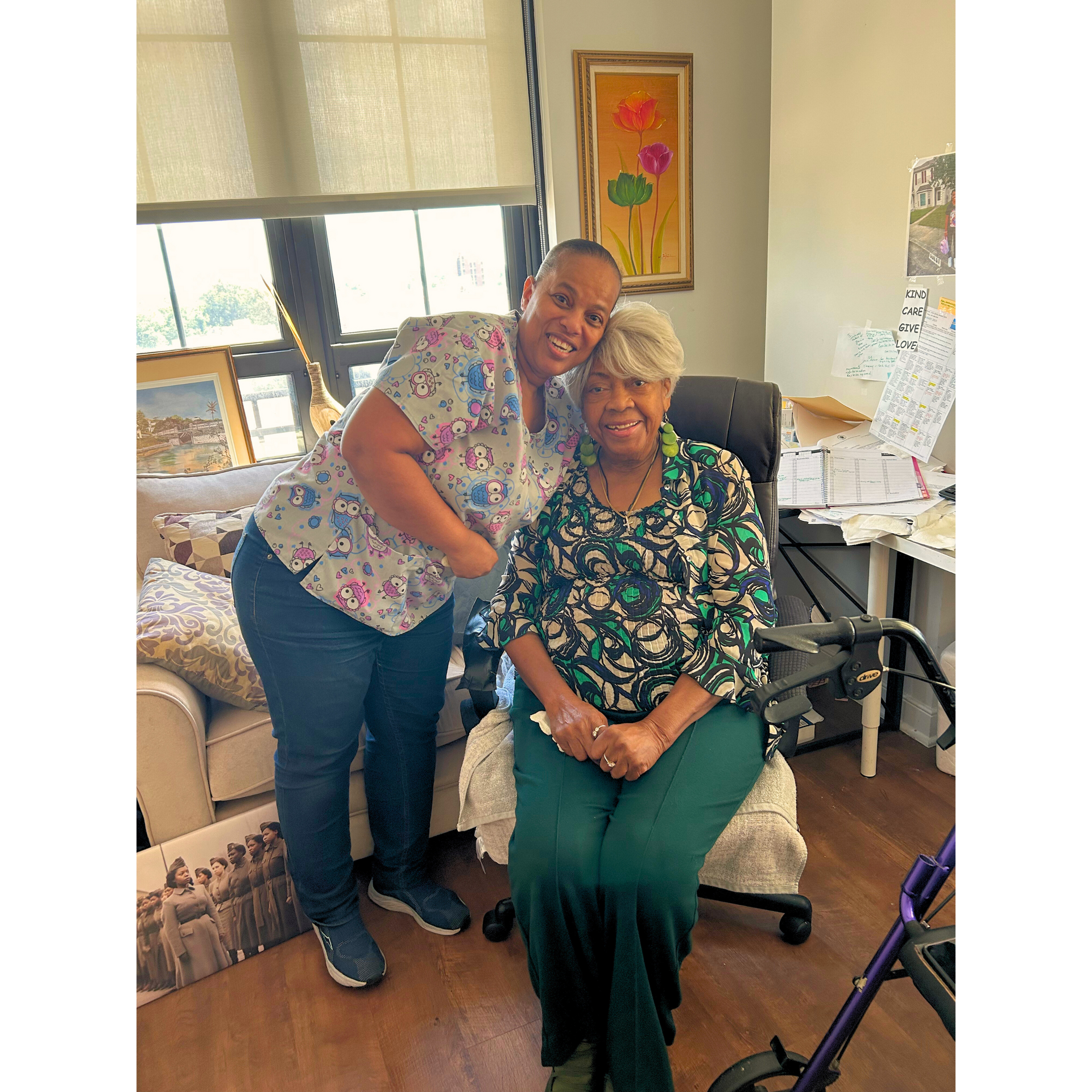
If you’re searching for an in-home health care agency in Montgomery County, MD, it can feel overwhelming. Every website sounds so similar, how can you determine which organization will most help your loved one stay safe, independent, and improve their quality of life? This article helps make that decision simple.
After 25+ years of helping seniors and families decide which types of in-home care are right for them, and seeing firsthand what makes one home health care agency different from another, we’ve learned exactly which questions matter most.
Here, we share the 12 most important questions families should ask home health care agencies to understand the quality of their care, along with expert analysis on what to look for in their answers.
In this article, you’ll learn:
- Which questions to ask home health care agencies over the phone or by email before starting care
- How to gauge the quality of their senior home care and home health aide services
- The many factors that can help you decide which in-home care provider is the best fit for you and your family
Question 1: “Do you provide in-home care in my area? (Your city, county, or ZIP code)”
This is the first question you should always ask. If they don’t serve your area, they simply won’t be able to provide care for your loved one.
We provide senior home care throughout the D.C. metro area, including Maryland, Washington DC, and Northern Virginia. To see if we serve your city,
click here to view the full list of our service areas.
Question 2: “What does your intake process and initial assessment include? What do you look for during this initial appointment?”
The initial assessment that in-home nursing and care companies provide gives them the baseline understanding of your loved one’s current conditions and challenges, future goals, and day-to-day needs. The depth of this initial assessment informs you of how dedicated the care team is to understanding and supporting your family.
High-quality providers (including Specialty Care Services) assess these factors:
- Medical Needs: Medical history, current health conditions, medications, vital signs, fall history, recent hospitalizations, etc.
- Behavioral & Mental Health Challenges: Alzheimer’s/dementia symptoms, memory changes, confusion, anxiety/depression, or personality changes.
- Ability to Perform Daily Activities (Functional Abilities): Bathing, dressing, grooming, toileting, mobility, transportation, meal prepping, housekeeping, and communication skills.
- Home Environment Safety: Fall hazards, bathroom safety, lighting, clutter, fire safety, and other environmental hazards.
- Social Support (family, friends, & community): Educating and aligning care with loved ones, work schedules of family members, language and cultural preferences, and other social determinants of health.
- Care Goals, Preferences, & Emergency Planning: Understand the client’s and family’s goals, caregiver preferences, preferred schedule, designing emergency escalation plans, and meeting all care plan goals.
Question 3: “How is the care plan created, and how often is it reviewed or adjusted?”
After the initial assessment, the next step is often designing the care plan. The care plan is the roadmap for your loved one’s home health care.
The care plan should be based on the initial nursing assessment and the provider’s clinical judgment about what will be most effective. The plan should be reviewed with both you and your family before care begins.
When we design our care plans, we include:
- When and how often care will be delivered
- Which services will be provided (senior home care, nursing and medical care, dementia and alzheimer’s care, etc.)
- Protocols for managing medical and health needs
- How often there will be follow-up visits or reassessments
Care plans should be adjusted as needs change. For higher-need clients, we may reassess monthly. For those with more stable health or minimal care needs, quarterly reassessments may be appropriate.
Question 4: “Are your caregivers background-checked, trained, and supervised by a Registered Nurse (RN)?”
This question tells you whether the home health care agency prioritizes safety, quality, and expert oversight.
- Background checks ensure caregivers do not have criminal records that would interfere with safe care.
- Training ensures caregivers are competent, confident, and prepared for your loved one’s specific diagnoses and daily needs.
- RN supervision makes sure care follows medical guidelines and that a trained clinical eye monitors your loved one’s health.
At Specialty Care Services, all our caregivers go through extensive background checks, typically have 5+ years of experience, receive specialized training to care for their client’s conditions and needs, and are all supervised by RNs and LPNs. These factors allow us to provide safer, higher-quality in-home care than other organizations that don’t make these a priority.
Question 5: “Do you have experience providing care for my loved one’s health condition(s)? (dementia, stroke, cerebral palsy, etc.)”
This question helps you distinguish between agencies that truly understand your loved one’s condition through first-hand experience and those that may be learning on the job.
After serving thousands of patients over the past 25 years in the DC metro area, we have experience providing high-quality care to a wide range of conditions, including dementia and Alzheimer’s, stroke, Parkinson’s, cancer, disabilities, and many chronic illnesses. Through this experience, we’ve developed systems and protocols for our caregivers that reduce hospitalizations, increase daily function, and keep our clients and their families safe and supported at home.
Question 6: “Based on my or my loved one’s health conditions, what types of care can your caregivers and nurses provide?”
This question may require a detailed answer, so many home health care agencies may direct you to their website or a brochure listing their services. Look for an in-home care company that can provide a wide range of support, since care needs often change or increase over time.
You can learn more about how we serve patients with multiple types of care, including:
- Senior Personal Home Care
- In-home nursing and medical care
- Disability & chronic illness home care
- Dementia & Alzheimer’s home memory care.
This range allows us to adjust care as your loved one’s needs evolve.
Question 7: “If my loved one or I require a service you don’t offer, what do you do to help?”
This question reveals whether the organization is interested in truly helping you or your loved one with your health and wellbeing, or only on the services that they provide. Ideally, an in-home nursing and care company is trained to spot medical, social, behavioral, or lifestyle complications beyond their scope of practice, and connect you with the right professionals.
After 25 years of service, we’ve built strong relationships with high-quality healthcare providers and resources in the area. We can make expert recommendations for care you or your loved one may need and guide you towards providers who can help. Our mission is to be a “one-stop-shop” for families, connecting them with professionals who support their loved one’s needs and quality of life.
Question 8: “What happens if my caregiver is sick, late, or unable to attend appointments? Can you provide backup coverage?”
This question gives you insight into the agency’s preparedness and reliability. Life happens: caregivers may get sick, have personal emergencies, or get stuck in traffic. A prepared home health care agency will keep you and your loved one consistently cared for, even when the unexpected occurs.
At Specialty Care Services, we have hundreds of caregivers throughout Maryland, Washington DC, and Northern Virginia who can provide backup coverage on a regular basis. We’ve built a flexible team so our clients receive consistent care.
Question 9: “Can I meet or interview the caregiver(s) before they start?”
Trust and comfort are essential in a healthy relationship between your family, your loved one, and their caregiver. Agencies that understand this will work to find a good match and give you a voice in choosing your caregiver.
We work to match each client with caregivers who fit their medical, lifestyle, cultural, and personality needs and preferences. We give families options and allow them to choose the caregivers they believe are the best fit for them.
Question 10: “How quickly can your office respond when I call, text, or email with a question or concern?”
Just like everything in life, care is not always perfect, so you need assurance that someone will be able to assist you when there are challenges. How quickly the agency responds says a lot about their commitment to your family.
Our team at Specialty Care Services prides itself on quick and thoughtful communication. Calling during normal weekday business hours will directly connect you with one of our team members who can address questions or concerns. Emails and messages receive a response typically within 24 hours, so you’re never left wondering what’s going on.
Question 11: “What payment options do you accept?”
Understanding payment options up-front helps you avoid surprises and determine whether an agency is a realistic partner for your family.
At Specialty Care Services, our team walks families through all available payment options and helps them understand which benefits or programs they may qualify for.
These include:
- Long-term care insurance
- Medicaid programs
- VA benefits
- Private pay
Question 12: “What is your pricing range?”
Most in-home nursing and care companies don’t have a single hourly rate. Pricing varies, and can be based upon level of care required, care hours per week, caregiver training, and payment source.
Before moving forward, ask:
- What is your typical hourly range for senior home care or home health aide services?
- Does pricing change for nights, weekends, or live-in care?
- Are there minimum hour requirements per visit or per week?
- Are there any additional fees (assessment fees, holiday rates, etc.)?
Our in-home private duty pricing varies depending on the type of service and payment method. For out-of-pocket care, our pricing typically ranges between $30-37/hour, allowing families and individuals in the Washington DC area to access extremely affordable and high-quality care.
Choosing the right in-home care agency for your senior loved one may be one of the most important decisions your family will make. By asking these 12 questions, you'll gain insight into the which agencies truly prioritize safety, comfort, long-term health outcomes, and compassionate support.
If you’re exploring senior home care in Montgomery County, MD or the surrounding DC area, Specialty Care Services is here to help. Our nurses and caregivers are ready to answer your questions, walk you through next steps, and design a care plan tailored to your loved one’s needs.
Call us today or click here to request your complimentary in-home assessment.